My youngest son is nine months old, and we are three-and-a-half months into baby-led weaning. I chose the baby-led weaning method with my first son, too, so it is familiar territory. But just because I’ve gone through this once doesn’t mean the responsibility of feeding a baby pieces of food feels small.
When it comes to baby-led weaning, there’s a lot to think about. You have to consider whether your baby is ready, how to prepare food, the difference between gagging and choking, and when to introduce allergens. But the internet makes it seem like starting solids is a picture-perfect milestone or something that’s about to go horribly wrong. And truthfully, I think parents deserve something more useful to resort to than either extreme.
Baby-led weaning can be a practical way to introduce food, but it requires preparation. Going through this the second time around, I realized that the method matters less than the conditions around it. A ready baby, appropriately prepared foods, an attentive adult, and realistic expectations are the foundation of baby-led weaning. Everything else can be flexible.
Watch Your Baby, Not the Calendar
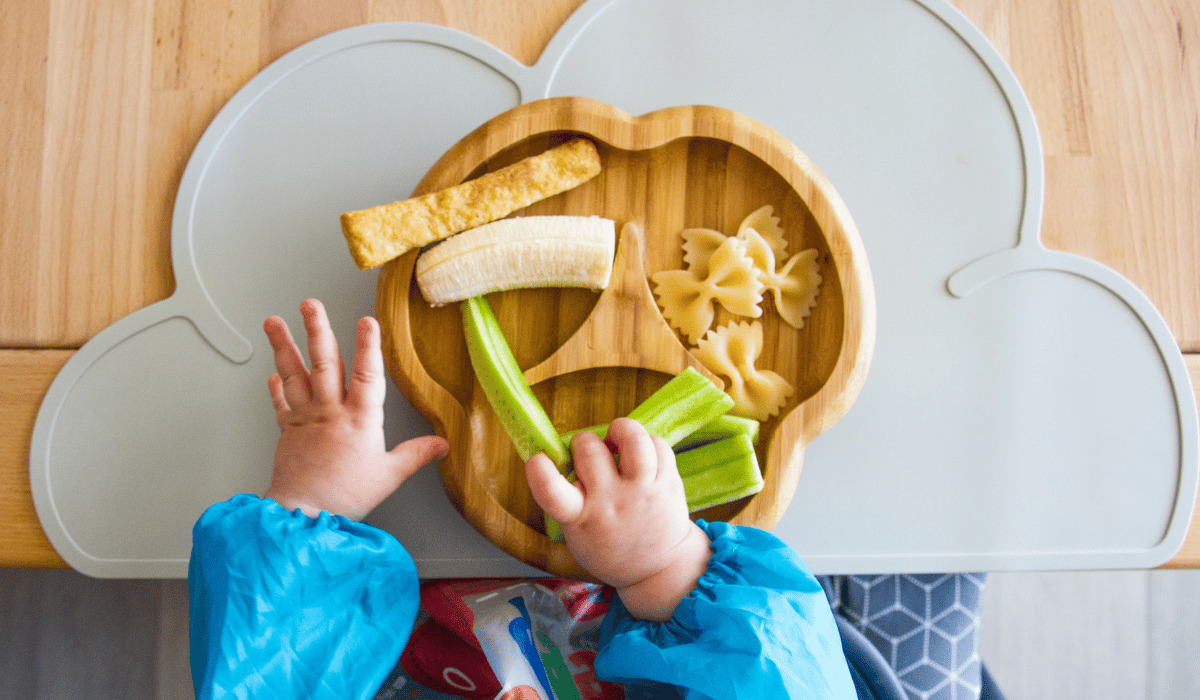
In short, baby-led weaning means offering foods babies can pick up and eat on their own as they start solids. This usually happens around six months. The name can be a bit confusing, though, because your baby still needs breast milk or formula for major nutrition. Think of it as the beginning of complementary feeding—not an instruction to cut out milk.
A ready baby is basically a checklist of several skills coming together, and it doesn’t happen overnight. Here are the main signs to look out for:
- Sitting upright with little or no support
- Holding their head steady
- Reaching for food and bringing it to their mouth
- Swallowing food instead of pushing it out
Sometimes parents assume that behavior such as chewing on fists or waking up more often at night means their baby is ready for food, but those aren’t actual signs of readiness. Knowing the difference between true readiness and the false alarms matters because parents already have enough milestones to worry about. Starting solids should not become another deadline parents feel pressure to meet.
We started baby-led weaning with our youngest around five-and-a-half months old. He had been sitting independently since he was four months old, and we’ve already done a month-and-a-half of purées at that point. He began showing interest by reaching toward our food and watching us eat. That was just our timeline and experience, though, and not a rulebook that everyone should follow.
If your baby was born prematurely, has trouble sitting or swallowing, or is not showing signs of readiness, speak with their pediatrician for guidance.
Doing baby-led weaning for a second time does not give me a reason to skip that assessment. My youngest son is his own person, with his own developing abilities. Sure, experience is useful, but no two babies are on the same timeline.
Food Prep Matters More Than the Menu
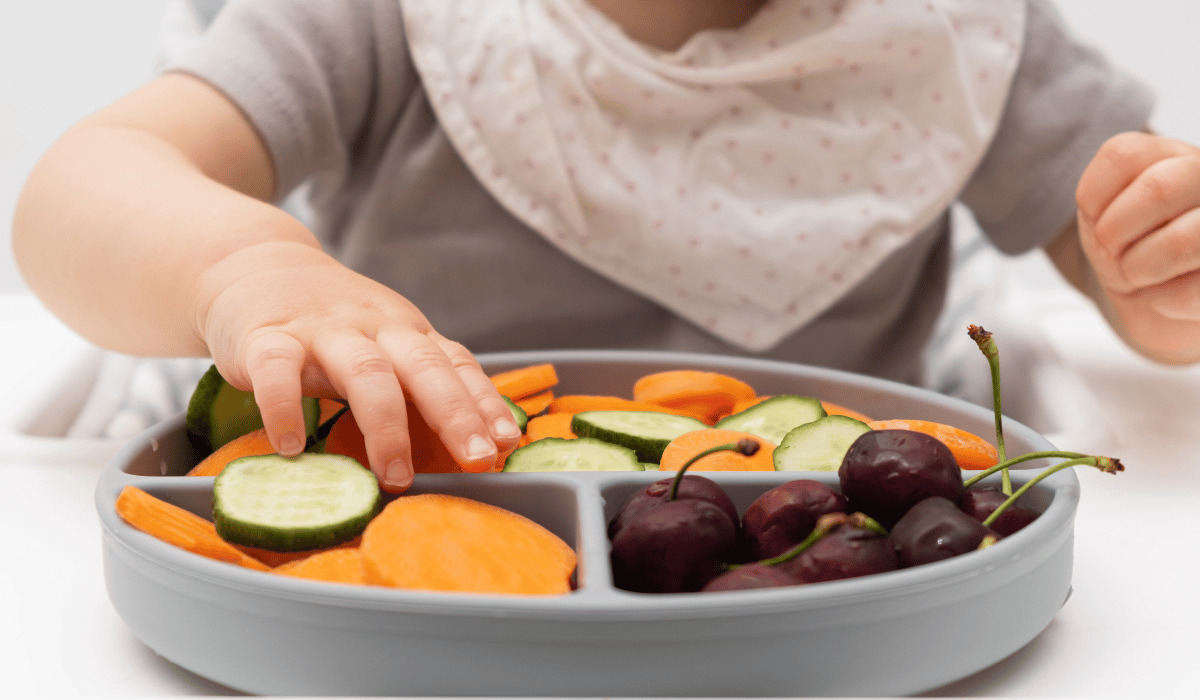
What I learned from baby-led weaning my first son was to spend less time hunting for the perfect first food and more time on how to prepare ordinary foods properly.
First off is the size of food. For an early eater using a whole-hand grasp, serve soft pieces roughly the length of an adult finger so they’re easier to hold. For example, soft-cooked vegetable sticks or ripe avocado spears are good options. Then, as picking-up skills start to develop, you can start introducing smaller soft and shredded pieces, such as pasta and shredded chicken.
Texture matters a lot, too. Both times, I started baby-led weaning progressively by making purées thicker and adding more texture. For example, a chicken-potato-carrot purée would go from totally smooth to chunky with soft pieces that I spoon fed. It’s a great way to help babies get used to having pieces in their mouths instead of just swallowing smooth liquids.
Food should squash easily between your thumb and finger when you baby-led wean. A carrot that is cut into a finger shape isn’t safe if it’s still hard, so cook it until it’s soft throughout. Foods like whole grapes, raw apples, or popcorn are choking hazards. Just because a food is small, organic, or marketed toward babies doesn’t make its shape and texture safe for them.
Some useful and appropriate options for baby-led weaning prep include:
- Soft broccoli
- Soft sweet potato sticks
- Ripe banana
- Well-cooked egg
- Shredded chicken
And please, don’t let fruit and vegetables take over the menu. Babies need iron-rich foods, too. Options like soft meat, mashed beans, and iron-fortified infant cereal can all have a place at the table.
Keep the Eating Setup Consistent and Boring
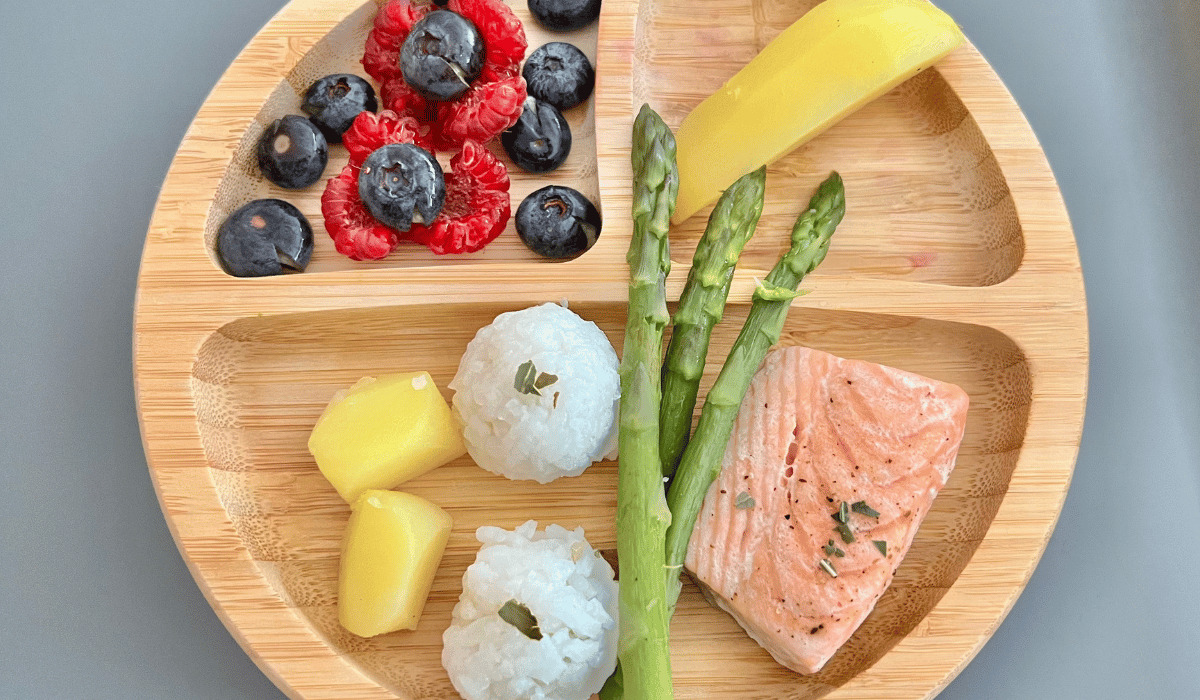
I think there are plenty of parenting decisions that deserve flexibility, but eating position and supervision deserve consistency.
Babies need to be seated upright in a stable high chair, secured with the harness, and their head and body has to be well supported. A reclined seat, like a baby bouncer, is not appropriate for practicing eating. Also, avoid offering food in a moving car, in a stroller, or while a child is crawling around.
Supervision is one of the key pillars of baby-led weaning. Stay close, and actively watch your baby throughout the meal. Being somewhere in the kitchen while they eat is very different from actively paying attention to them.
With two children, I understand how attention gets divided. One moment, my oldest needs something, then the phone rings, then dinner needs stirring. That is exactly why I think the setup matters. Feeding should happen at a time and place when and where an adult can supervise.
The first couple of attempts should be kept manageable. Offer a little food, give your baby some time, and let them bring it to their own mouth. I also liked to mimic the action of eating, considering babies learn so much from observing us.
If your baby refuses another bite or turns away, resist pushing food into their mouth or trying to squeeze in “just one more” bite. Maybe they’re tired, distressed, or are simply losing their ability to sit comfortably. If that’s the case, stop and try again later. A short opportunity to explore food is enough to begin with.
Choking vs. Gagging: Knowing the Difference
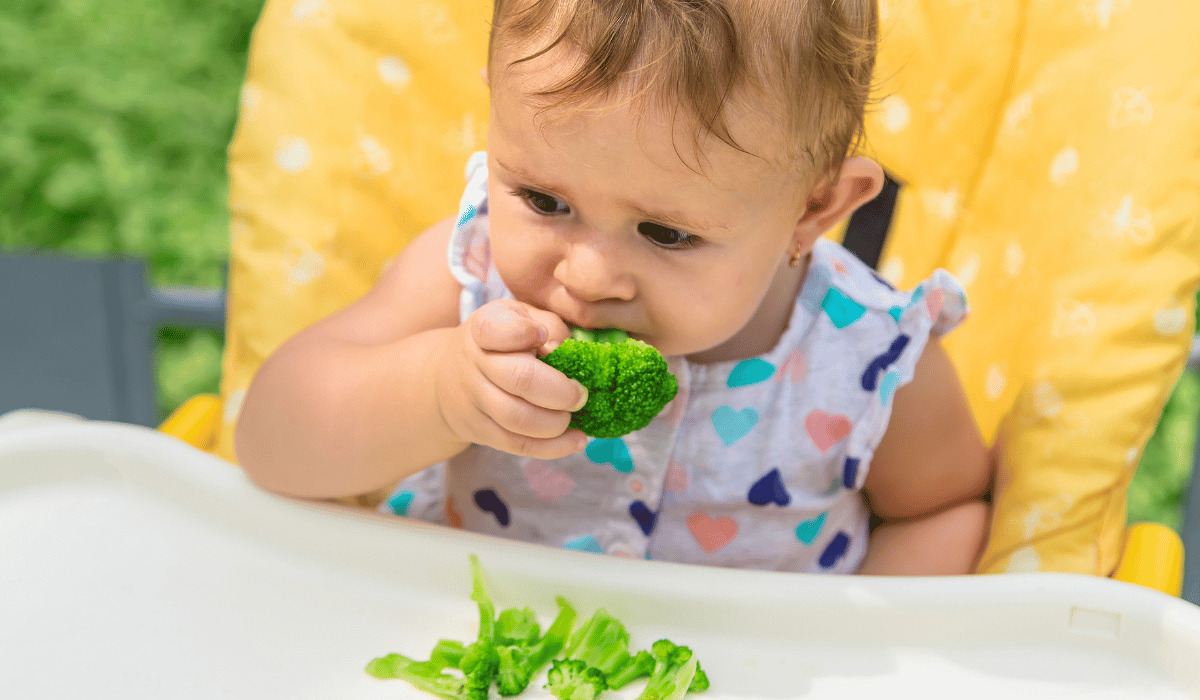
This is the part I wish every starting-solids conversation treated as essential homework. Knowing the difference between choking and gagging is absolutely vital.
Gagging is totally normal; it’s just a built-in protective reflex babies use while they figure out how to manage food. But I’ll be honest, it can look pretty dramatic and freak you out. You might see watery eyes, tongue thrusting, loud coughing, or even retching as they push food forward, but it’s all just a part of the learning curve.
Choking happens when an airway is partly or completely blocked. And the scariest part? Severe choking is often completely silent because a baby can’t move enough air to make a sound, cough, or cry. Keep an eye out for trouble breathing, a weak or silent cough, sudden changes in color, or how responsive your baby is.
The saying “gagging is noisy and choking is silent” helps, but it’s not the whole story. Sometimes a baby with a partially blocked airway can still give a little cough. What really matters is whether air is moving and they are coughing effectively.
If your baby is gagging while still breathing normally, just stay close by, take a breath, and let them work the food forward themselves. As tempting as it may be, do not stick your fingers in their mouth to fish it out—it can push the food right back to where you don’t want it.
Taking an infant CPR course gave me peace of mind and more confidence throughout this process. Reading about it is great, but actually practicing on a dummy with an instructor gives you a level of preparedness a screen cannot.
Allergens Can Feel Like a Big Step
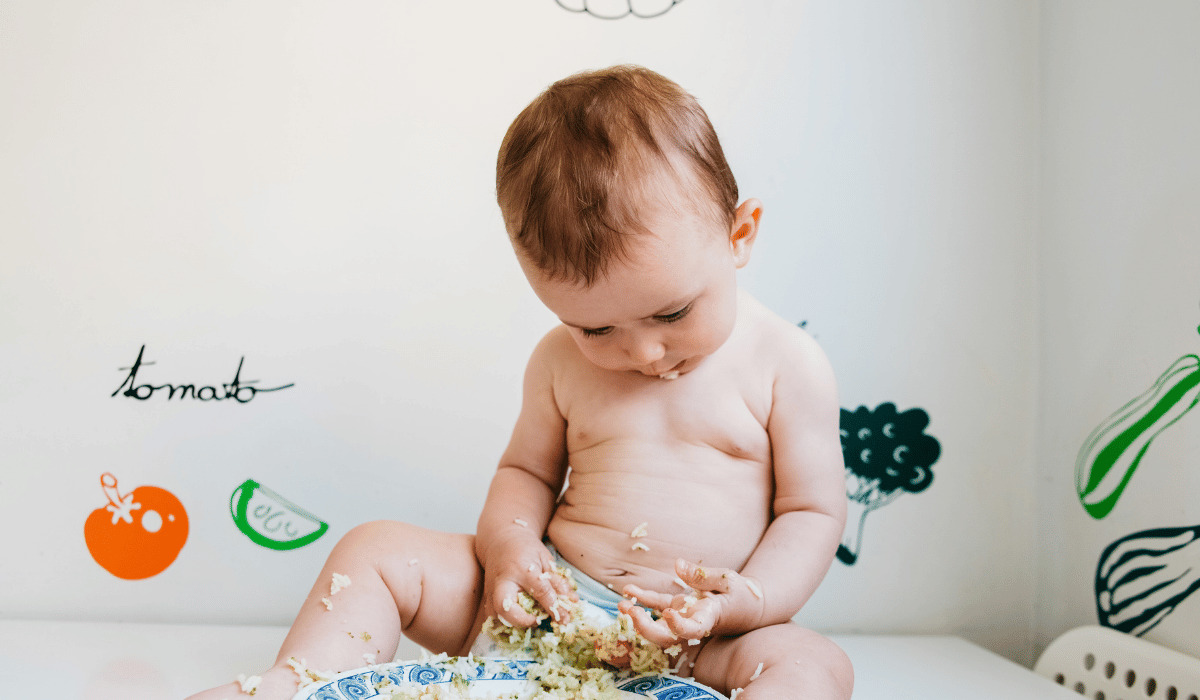
As you move forward with baby-led weaning, allergen introduction is another milestone that can feel intimidating. There’s something unsettling about offering your baby a food you have heard can cause a “severe allergic reaction.” You understand why introducing it matters, but at the same time you sit there and ask yourself, “Okay, what am I watching for?”
The general rule of thumb is to introduce common allergens once your baby is ready for solids, in forms that they can manage, instead of putting them off without a medical reason. Common allergens include:
- Nuts
- Eggs
- Dairy
- Wheat
- Soy
- Sesame
- Fish/shellfish
Keep those first tries simple: one new allergen at a time, a small amount, when your baby is in a good mood and you can stay nearby afterward. You do not (and should not) introduce everything all at once, or else there’s no way to pinpoint exactly what caused an allergic reaction!
For example, try a thin smear of smooth peanut butter melted into baby oatmeal or a soft omelette strip your baby can easily pick up. Because baby-led weaning is all about self-feeding, it’s easy to forget that babies can’t handle everything just yet. Whole nuts and sticky spoonfuls of nut butter are considered choking hazards, which is why proper preparation (like thinning out that peanut butter) still matters. Once you’re sure an allergen is tolerated, keep it in the rotation regularly.
It’s also helpful to know when to get help. If you notice signs such as hives, swelling, vomiting, coughing, or wheezing after a new food, stop right away and check in with a pediatrician. But if your baby has trouble breathing, their tongue or throat swells, or has sudden limpness, don’t wait. Call 911 immediately.
Remember, you’re totally allowed to ask your pediatrician to walk you through all of this. Sometimes just hearing a clear explanation from a medical expert and having space to ask your own questions makes the whole thing feel so much more manageable.
You Are Allowed to Make Feeding Easier
As a mom of two, I have very little patience for advice that assumes there is unlimited time to prepare every bite from scratch. Because the reality is, some days I have time; others I don’t. I care about what my baby eats, but I also have another child who needs me and only so many hours in the day.
This is why I think it helps to have a few easy options to fall back on. It could be a ripe banana prepared for your baby’s stage or some vegetables set aside from dinner and cooked until they squash easily.
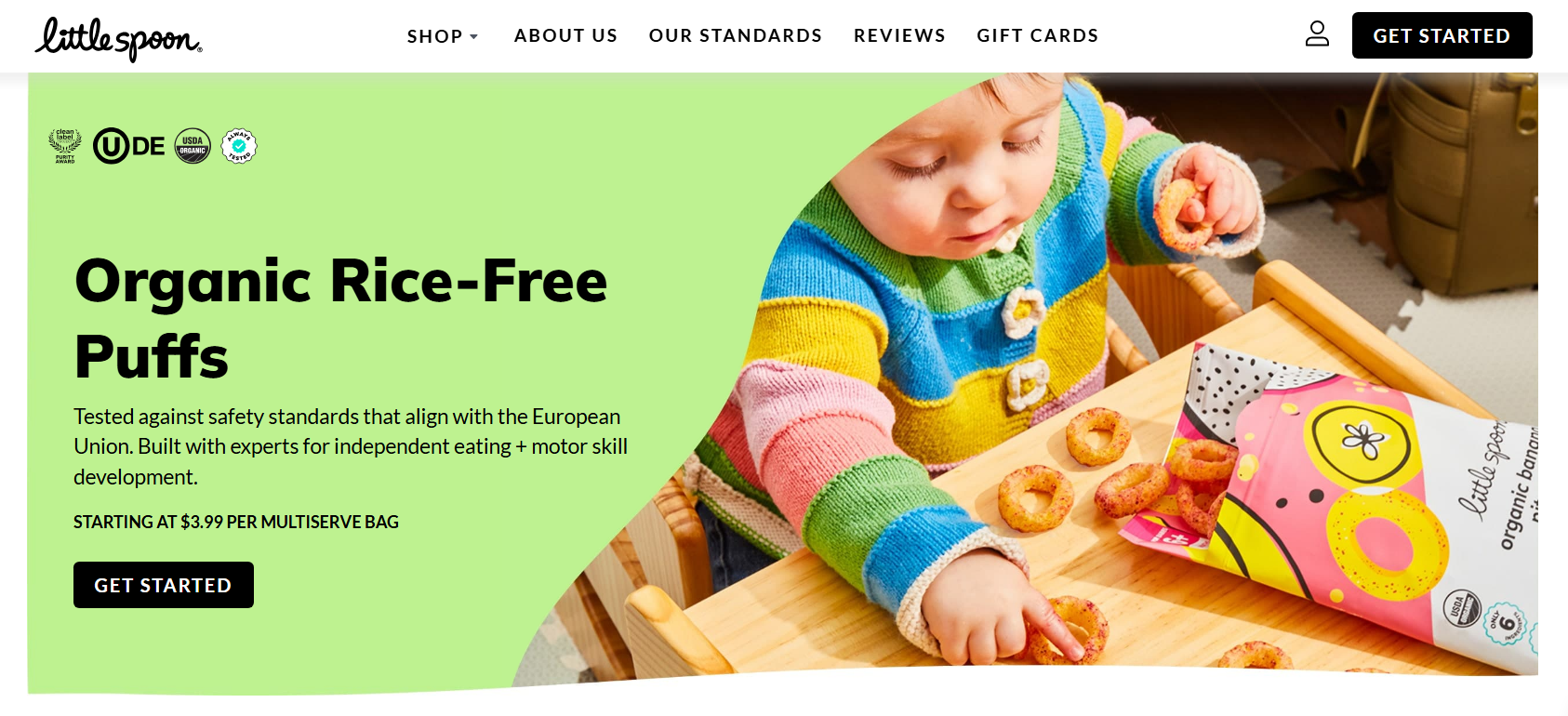
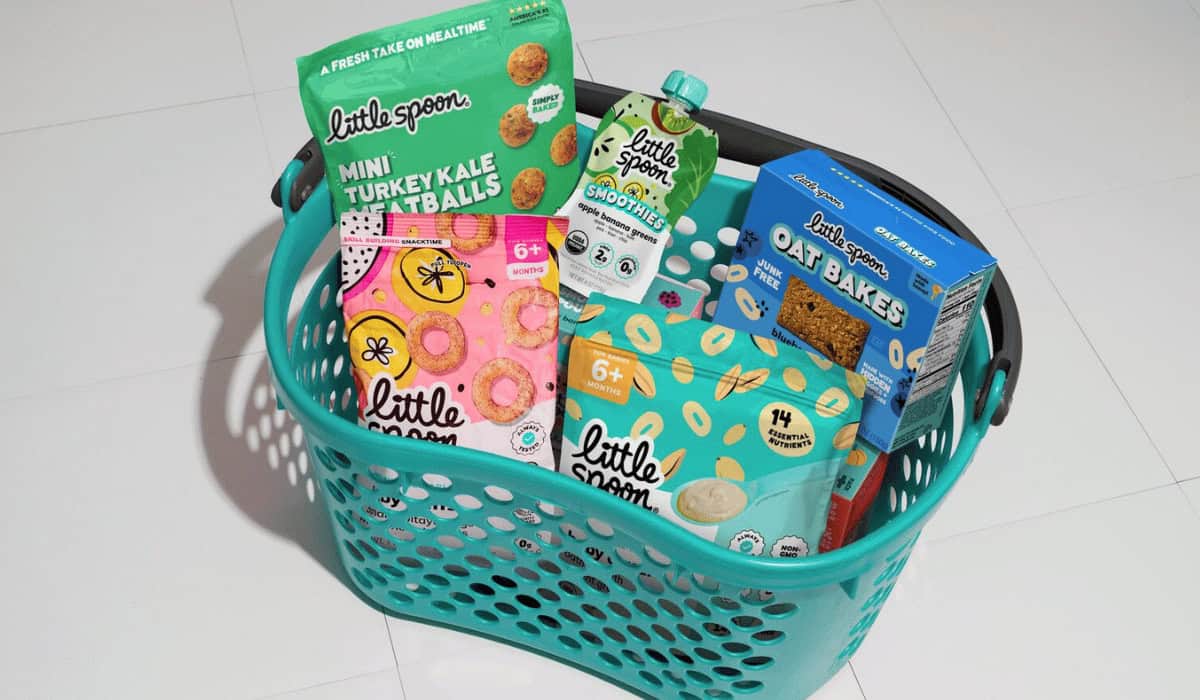
Having something ready in the cupboard helps, too. Little Spoon’s Baby Puffs or Happy Baby’s Teethers wafers are a couple of packaged options to consider when your baby meets their feeding-readiness guidance. There’s room for homemade and store-bought foods at the same table, and the balance can look different from one day to the next.
With any self-feeding snack, check the instructions instead of assuming all baby snacks are suitable at the same stage. The age on the bag is a starting point; your baby needs the skills to manage that food. Little Spoon, for example, says its Baby Puffs are for babies already accustomed to chewing solid foods. And even with meltable snacks, babies need to be seated upright and be closely supervised.
Baby Puffs can be one option among the other foods you offer, alongside iron-rich foods and different suitable textures. As a parent, I really appreciate having something convenient on hand without expecting it to cover every feeding need.
And honestly, I think we could use a little less guilt around that. Choosing a prepared option doesn’t cancel out the care you put into feeding your child.
A Spoon Is Still Welcome at the Table
Having done baby-led weaning twice, I think we put too much pressure on ourselves to stick to one way of feeding. If your baby feeds themselves shredded chicken and soft veggies at lunch, and you help them with a spoon at dinner, that’s okay. They’re still getting to know food, and you’re still paying attention to what they need.
For me, there are three things worth being consistent about when it comes to baby-led weaning: preparing food safely, staying close while my baby eats, and respecting when he’s had enough. Whether every bite gets to his mouth on its own matters less.
If you’re just getting started, give yourself time to get comfortable, too. Ask questions, keep meals manageable, and let your baby set the pace. You don’t have to feel completely confident on day one to help them learn, and you’re allowed to enjoy those first bites even while you’re figuring out how baby-led weaning works.