My son is four, and somewhere between “will eat anything” and “will negotiate the terms of dinner like it’s a hostage situation,” he became a picky eater. Not the baby kind, where you’re worried about iron and first tastes. He has opinions now. Strong ones. About whether the cheese is “the right kind” of melted, apparently.
After enough mealtimes spent making one thing and then scrambling to find something else he’d decide to eat, I started looking at kids’ meal delivery services. That’s when I ran into a problem: a lot of what’s out there is still aimed at babies and younger toddlers. Purées, first bites, starting-solids kits. Great if your kid is ten months old, but what about the preschooler who has a favorite fork and won’t budge on it?
I wasn’t trying to turn him into an easy eater overnight. I wanted something that could make mealtimes a little easier when I already knew there was a decent chance of getting “I don’t like it” before the first bite. I wanted to know: is there enough food, will he eat any of it, will he get bored, does he get any say in what lands on his plate, and what am I really paying if half of it comes back untouched?
I found two services that worked for older kids. Little Spoon, which leans harder into familiar foods and a bit of independence for the kid, and Nurture Life, which offers a wider menu across a broader age range.
Quick Comparison
| Little Spoon | Nurture Life | |
|---|---|---|
| Best for | Picky eaters who prefer familiar foods | Kids who need more variety |
| Main option for this age | Plates; Lunchers (3+) | Kids Meals |
| Delivery | Every 2 weeks | Weekly |
| Starting price | From $6.49/meal | From $7.69/meal |
| What stands out | Build-your-own Lunchers | Bigger menu with more meals to rotate |
What Changes When Your Child Reaches Preschool Age
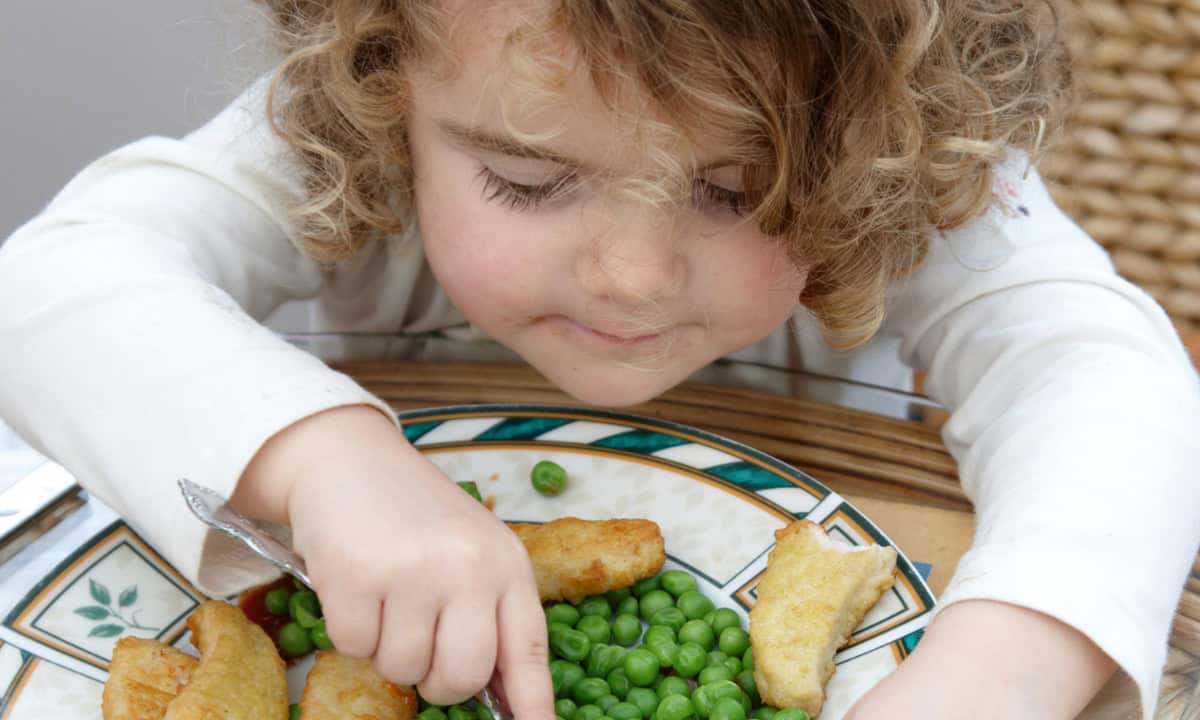
At 3-4, a kid can feed themselves, knows exactly what they like, and may reject food because it looks different than it did last time. Yesterday’s favorite meal can become unacceptable with zero warning. My little man did this with pasta. Same brand, same shape, same everything, he just decided one Tuesday that he was done with it.
That changes what I’d want from a meal delivery service. It has to make sense for the fact that what works one week might be completely rejected the next. So, with all that in mind, here’s how both companies handle the ups and downs of preschool eating.
Little Spoon
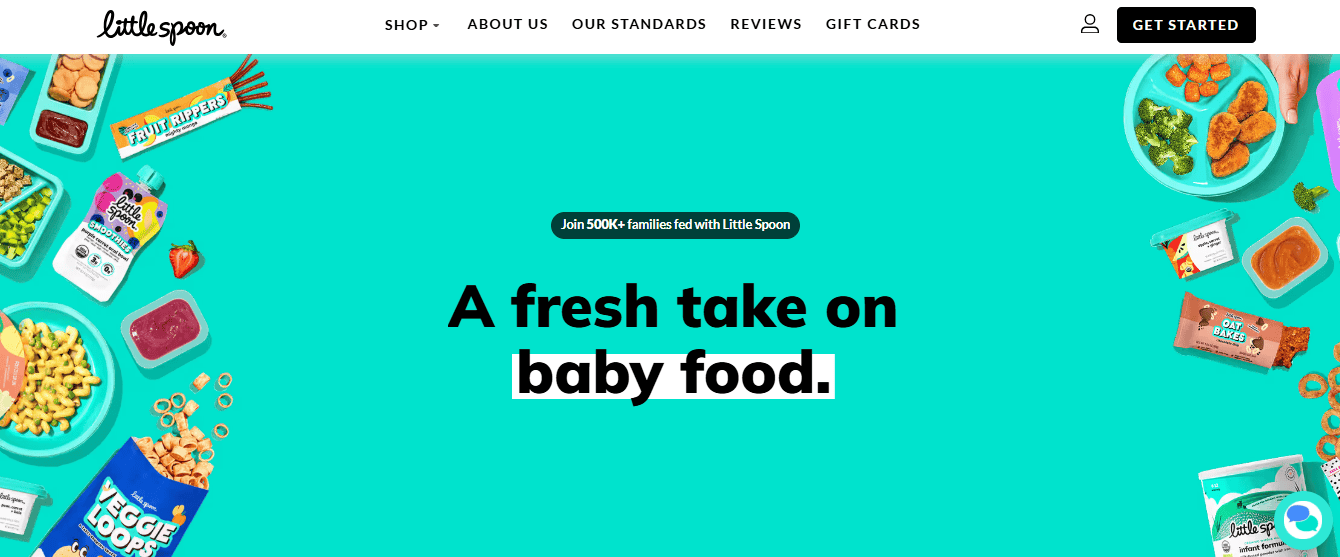
Little Spoon started as a baby food brand, but it’s built more product lines for kids past the purée stage. Currently, there are three options for older kids: Plates, Lunchers, and Snacks.
- Plates: heat-and-eat meals covering breakfast, lunch, and dinner, running from early finger-food eaters through age 7.
- Lunchers: refrigerated build-it-yourself lunches for school days, available from age 3.
- Junk-Free Snacks: packed with hidden veggies and built for picky eaters, available for any age 2 and up.
Familiar Foods Over a Big Menu
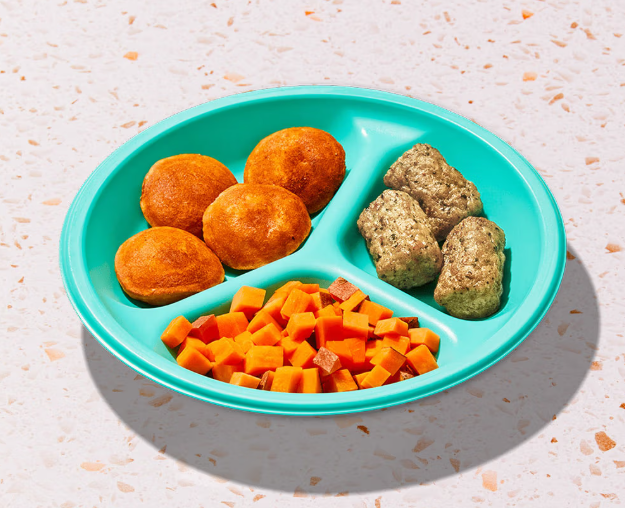
Plates leans on recognizable formats: mac and cheese, nuggets, pasta, mini meatballs. Vegetables show up two ways, sometimes both in the same meal. A plate might have hidden zucchini folded into the nuggets themselves, plus a side of visible broccoli. Other meals stick to one method: a pasta dish with vegetables blended smooth into the tomato sauce, or a simple grilled chicken breast with a very visible side of sweet potato mash. If your definition of picky is ‘he’ll eat chicken nuggets but will act personally offended by a broccoli floret,’ go for the hidden-veggie meals. If your kid is fine seeing vegetables as long as they’re familiar ones like sweet potato, the visible-side meals will work too.
The Lunchers Advantage
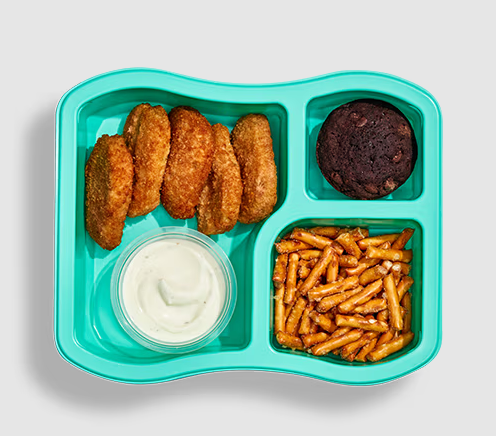
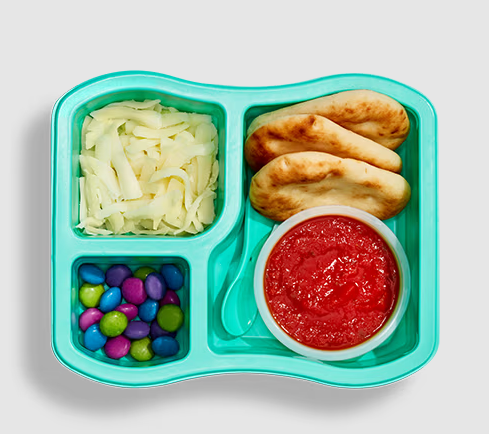
Lunchers come bento-style, in a container with separate compartments instead of one combined dish, so a preschooler gets to decide what they tackle first. It’s a small thing, but at four, getting some say in what’s on your plate kind of helps! Mine already does this instinctively with anything that comes apart: cheese before crackers, “the good bite” saved for last. A lunch built the same way removes one argument before it’s even started.
Each Luncher also adds up to at least 10 grams of protein across the whole box, so as long as your kid eats more than just a bite or two, they’re walking away with real nutrition, not just a snack-sized win.
Snacks Without the Guilt Trip
The snack line is where the shelf-stable, grab-and-go stuff lives: puffs, oat bars, peelable fruit snacks, veggie loops, and dip packs, mostly built around chickpeas, ancient grains, and freeze-dried fruit rather than the usual pantry filler.
The trick is the same one Plates uses, vegetables folded into the base of the snack rather than sitting next to it, so a bag of “cheesy puffs” is quietly working in pumpkin, and a chocolate chip oat bar is running on zucchini. No fridge needed, which makes these the ones that survive lunches, a car seat cupholder, or an after school snack drawer.
Are the Portions Enough?
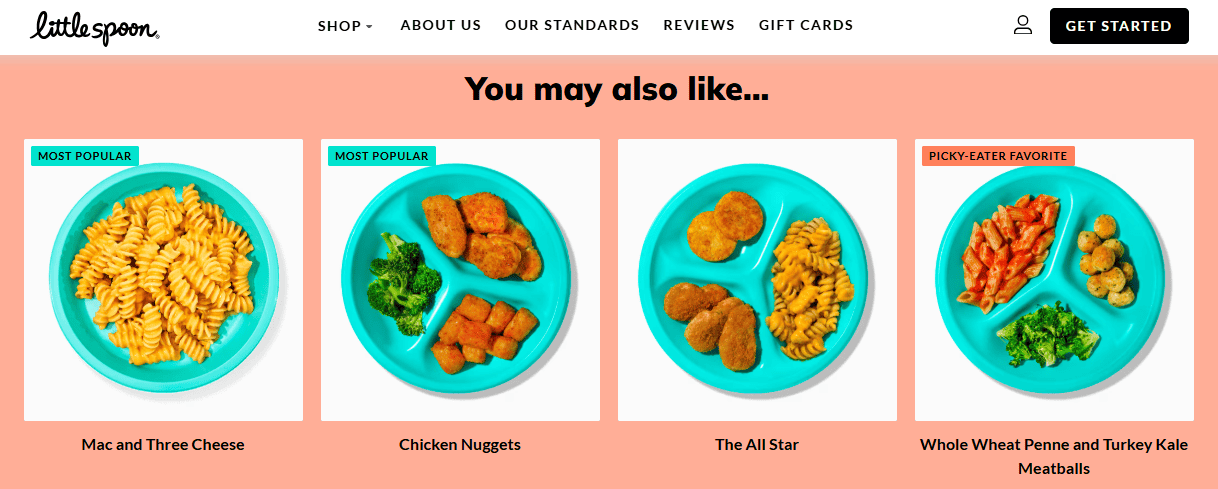
This is one area where Little Spoon is harder to judge. Plates are designed for kids from early toddlerhood through age 7, but the service doesn’t give you a simple preschool-specific portion size to work from. That broad age range means a four-year-old sits somewhere in the middle, so whether one Plate is enough will depend on the meal and your child’s appetite.
That’s worth keeping in mind when you’re comparing the price per meal. A cheaper option looks different if you regularly need to add something else to make the meal feel complete.
The Trade-Offs
Hidden vegetables only go so far. They might buy you a little cover, but a determined kid can still find the one bite that gives them away. That being said, with all their options across Plates, Lunchers, and Snacks, some meals and snacks are just bound to stick, so while finding which ones work for your kid might take a little trial and error, you should still be able to land on some favorites.
Nurture Life
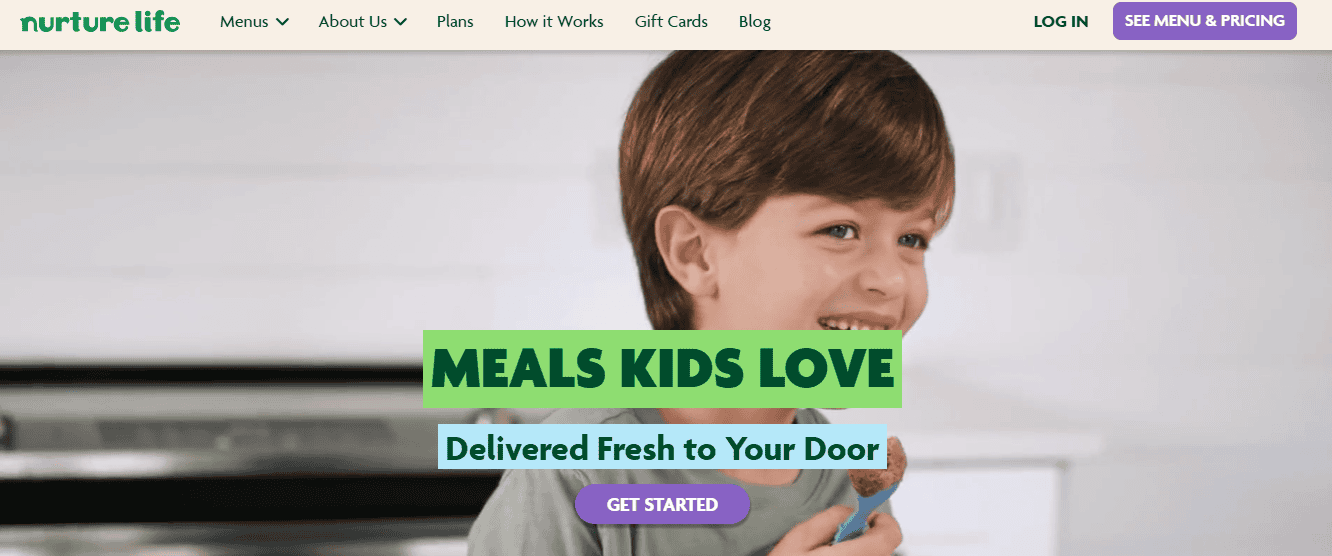
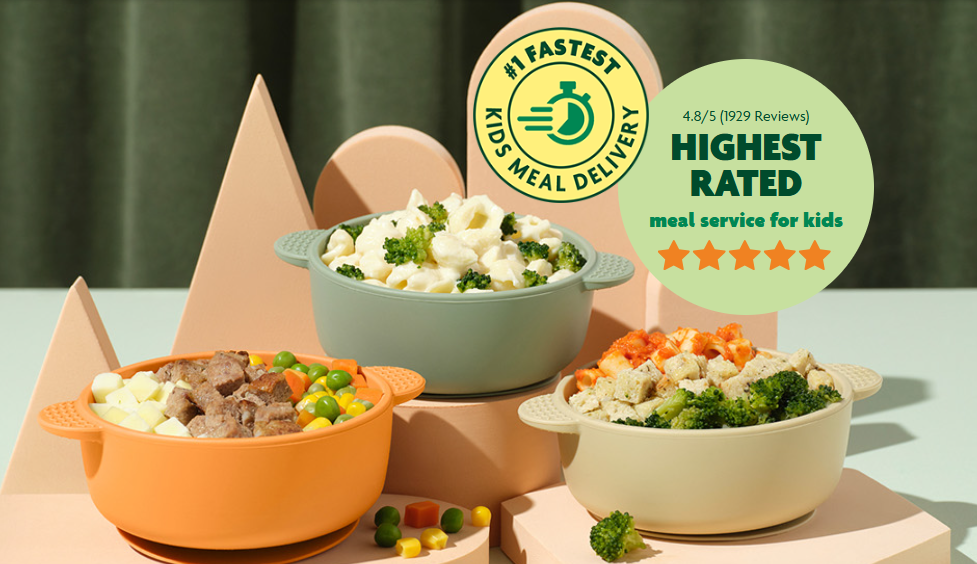
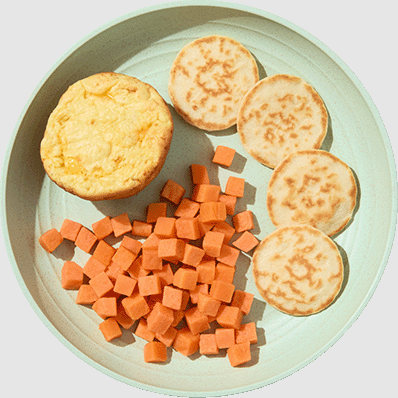
Nurture Life covers a wider age range, with options including chicken meatball sliders, cheesy pesto tortellini, and cold lunches built for school days. So the variety isn’t just about different flavors.
The Portion Question
Nurture Life is more upfront about portion sizing. Per Nurture Life’s own guidance, Kids Meals are meant to ease toddlers into bigger portions while serving as a full, filling meal for kids up to about 8 years old. A four-year-old sits right at that starting edge, just moving up from toddler portions into a size built to grow with them.
That doesn’t mean every kid will be satisfied by one meal. Appetite varies wildly at this age.
Does a Bigger Menu Help
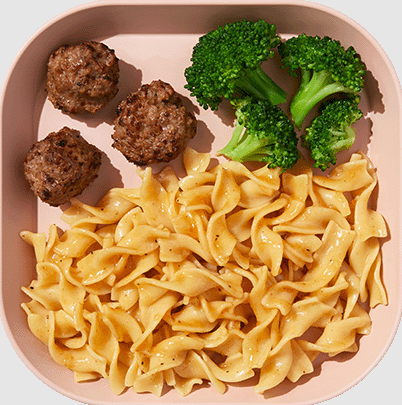
More options are a real advantage once a kid starts developing specific preferences instead of eating whatever’s put in front of them. But having more options isn’t automatically better. For a genuinely picky kid, a bigger menu can just mean more things to reject.
I think what’s more important is whether there’s a decent chance of finding something he’ll eat, not how many options are on the menu.
Variety Without Abandoning Familiar Food
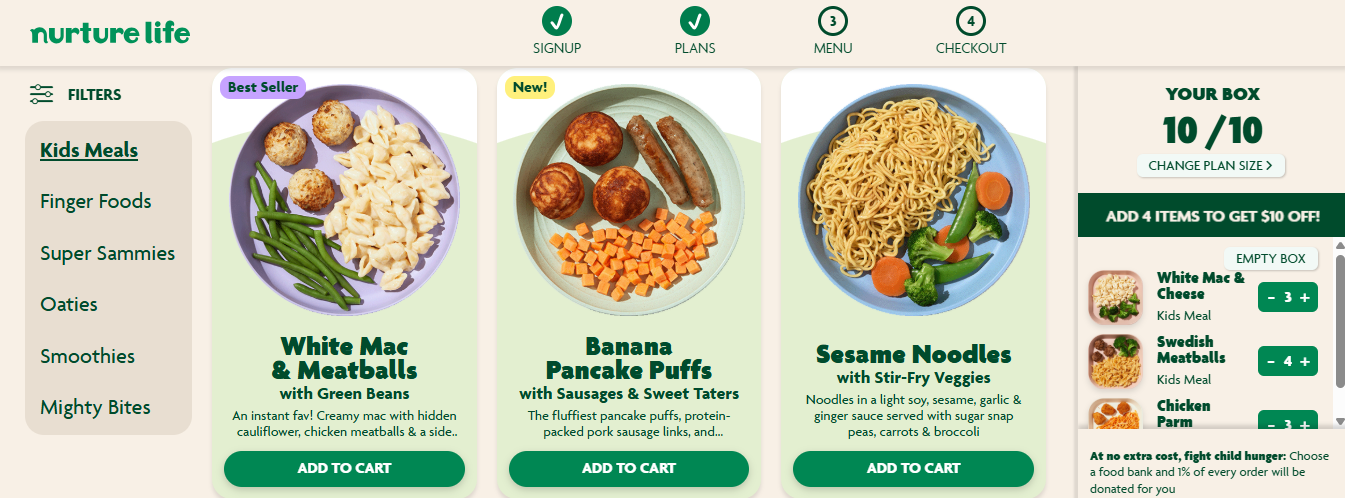
Another thing I like is that the wider menu gives you more room to keep things interesting without suddenly putting a completely unfamiliar dinner in front of your kid. You can rotate between things like chicken meatball sliders and other prepared meals, so you’re not stuck serving the same kind of dish until your kid decides they’ve had enough of it. Sometimes my son isn’t refusing a meal because he doesn’t like it. He’s just bored with having the same thing again.
The Trade-Offs
A bigger menu also means more trial and error. Not every dish is going to be a reliable hit, and you’ll still have to figure out what works for your kid. The starting price per meal also runs a little higher than Little Spoon’s.
Which Is Better for a 3-4-Year-Old?
Little Spoon makes more sense if:
- Your child is particularly resistant to unfamiliar food
- Getting a meal eaten at all is the priority, not expanding what they’ll try
- The idea of Lunchers giving your kid some control over their own food appeals to you
- You like being able to pick hidden-veggie meals some days and visible-veggie meals other days, depending on your kid’s mood
- Your kid gravitates toward chip- and cracker-style snacks, since options like the Oat Bakes and Veggie Loops hit that same crunchy, junky feel while sneaking in real ingredients
Nurture Life makes more sense if:
- Variety is becoming a bigger issue in your house than pickiness itself
- You want more meals to rotate through so nothing gets old too fast
- You want something your child can keep using as their tastes and appetite change
Neither service is going to fix picky eating, though. A meal delivery service can take the planning, prep, and some of the nutritional guesswork off your hands. It can’t negotiate with a four-year-old who has decided green food is unacceptable this week. I’ve watched mine reject a meal he ate happily the week before for reasons he refused to explain. No service accounts for that. But it can help you have a backup meal in the freezer ready to go.

The Bottom Line
My son isn’t a baby anymore, and he’s not quite a big kid either. That’s why I’d look past the “kids” label and pay more attention to whether a service works well for a preschooler with strong opinions of their own.
If I were choosing for my picky preschooler, Little Spoon would be the one I’d look at first, mostly because of Lunchers and Snacks. Familiar food beats variety when you’re just trying to get a meal into him without a fight, and having snacks on hand that look like the junky stuff he’d ask for anyway makes the in-between moments easier too. But if your kid’s issue is boredom rather than resistance, or you’re planning to stick with one service past age four, Nurture Life’s bigger menu earns its higher price. Either way: pick based on what your kid does at the table, not what the marketing promises. Mine still treats broccoli like a personal insult, no matter which box it arrives in.
