I’ve heard it said that traveling with kids is just parenting in a different location. And yes, I think that’s essentially true. However, that’s not a bad thing – it’s just different, and requires a bit of thoughtful planning.
When you travel with your kids, they become extra curious about the world and the adventure that comes with being somewhere new, whether you’re near or far. Plus, you’re making memories as a family. That’s worth every bit of the planning it takes to get there.
Traveling with kids looks different at every stage. When you’re traveling with babies, you need to bring a lot more stuff (and maybe Grandma to help). With toddlers, you need a lot to keep them entertained, especially on a flight. And with older kids, they’re more involved in the planning and a little more independent. The stages change, but the adventure is always there.
I’m a mom of two teens, and we’ve been traveling since my son was three years old. Our first trip was an international trip to Mexico — our first flight as a family. The flight going down was great. The way back? Not so much. After that trip, I may have waited several years before booking another flight. What I learned is that safety and comfort for everyone is the most important part of traveling, and sometimes that requires a few extra things and a lot more planning.
These are some tips that have worked for my family and me. You know your family best; take what resonates, tweak what doesn’t, and make it work for you.
Start With the Destination — Together

At this stage of parenting, my travel planning looks completely different from our first trip. I choose travel destinations with my kids in mind, because I want to make sure they’re interested and invested in where we’re going. Traveling is expensive, and if they’re going to be miserable, we’ll all be miserable. So we start planning before we even leave, choosing the destination together (it’s a different story for younger families, of course. When my kids were little, as long as there was a pool, a TV, and snacks, they were happy).
For cost savings and less stress, try to book during off-peak seasons. I know that can be hard with school-age kids and planning around school breaks, but there are real cost savings and noticeably reduced crowds. It’s worth looking at your calendar creatively.
Getting There: Flights, Road Trips, and Keeping Stress Low
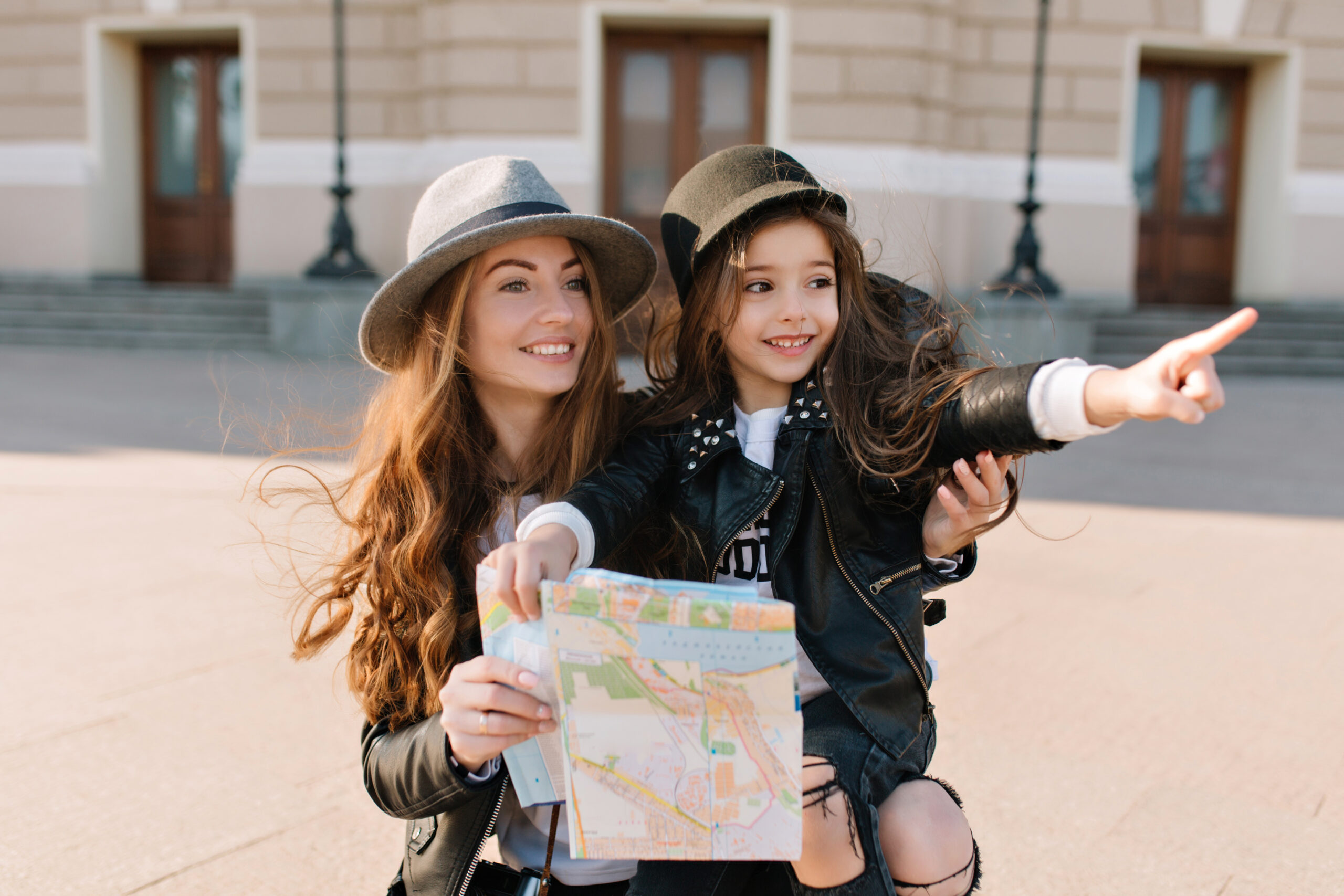
I’m often traveling alone with my teens, so I’m always looking to make things easy on all of us. We have a four-hour limit when it comes to road trips, and when we’re flying, it’s always direct. I can’t handle the stress of flight transfers or long layovers, and I try to avoid them at all costs. If we’re flying somewhere far with a long flight time, I try to get upgraded seats with more leg room since we all need the extra space and comfort. I also use miles whenever possible to help save money.
Think about when you book your flights, too. Early morning flights are brutal for us — it’s hard to get to the airport with traffic, and nobody wants to wake up at 4 a.m. That said, for babies or toddlers who’ll sleep through most of the ride, early morning or red-eye flights can actually be ideal.
If you’re traveling with babies or toddlers, you’re also bringing larger items like strollers and pack-and-plays. Before you pack all of it, think about where you’re going. Are strollers actually practical there? We went to Tokyo last spring, and that’s a destination I would not bring a stroller. There are a lot of people, and navigating crosswalks or the steps in the train stations with a stroller is genuinely difficult.
Packing: Enough, Not Everything
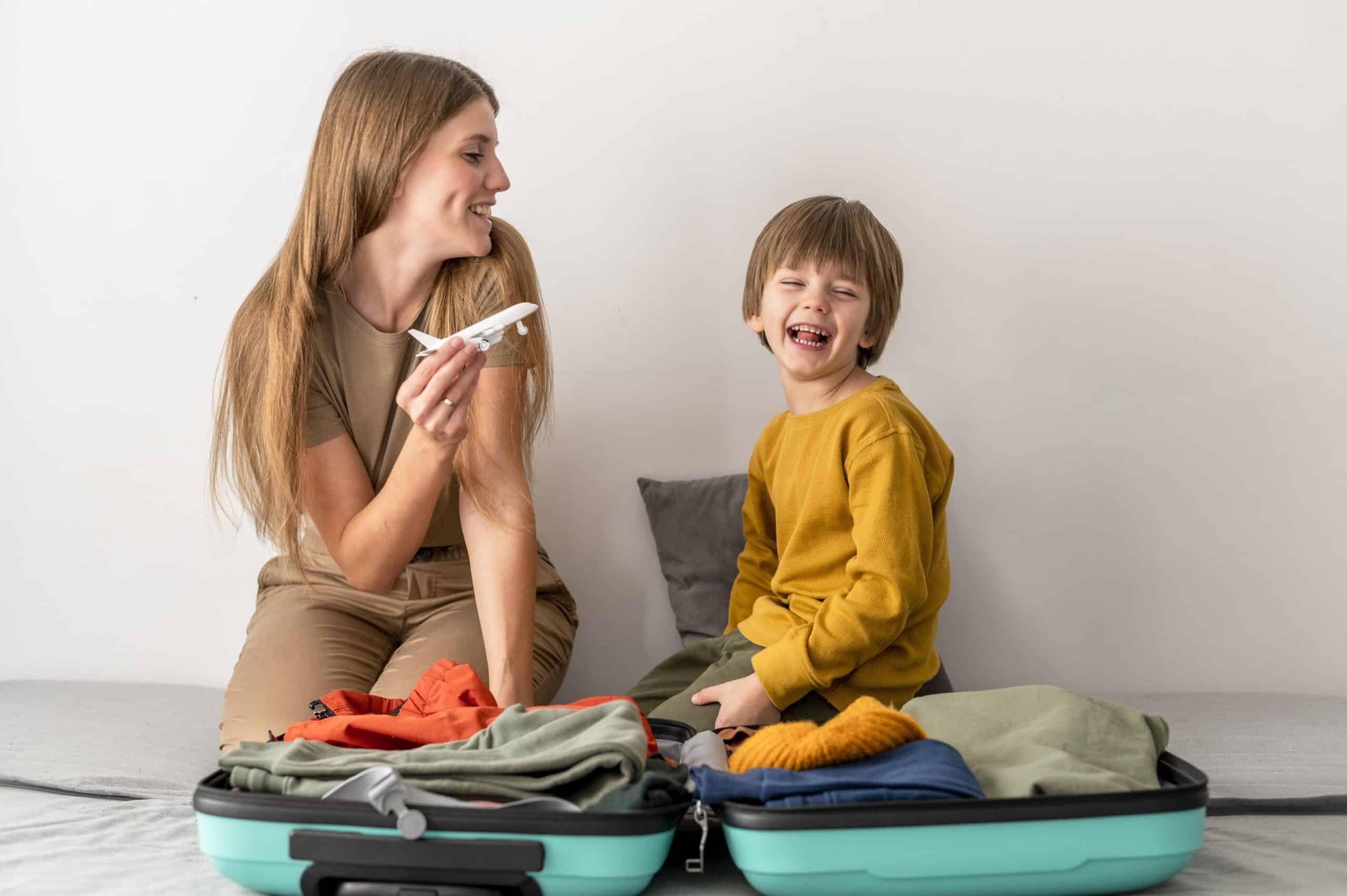
Let’s talk about packing. First, think about your non-negotiables for comfort. Then, think about how many hands you’ll have on this trip. The instinct to overpack is natural, but really think about what you truly need and where you’re going. Can you purchase some everyday items when you get there? The goal is to pack enough — not everything.
My number one tip: carry at least one change of clothes for everyone in your carry-on. We went to Amsterdam over the holidays, and our flights were canceled because of bad weather. I didn’t follow my own advice, and we were stuck without our luggage for six days with only the clothes on our backs and a few random things in a bag — not full outfits. Learn from me on that one.
I also let my kids pack for themselves now, which takes a huge burden off me. I just checked to make sure they have enough of the essentials. If we’re traveling for anything longer than a week, I try to find a hotel with laundry facilities.
Here’s how we actually pack:
- Everyone has a backpack with their plane comfort items and technology, including snacks and a water bottle
- I bring a small hard-case carry-on suitcase for clothing for all of us, and medications
- We wear comfortable clothes and a hoodie on travel days — it’s always cold on flights
- Jackets stay in the checked bag; I try not to carry them on
The Airport: Where the Trip Really Begins
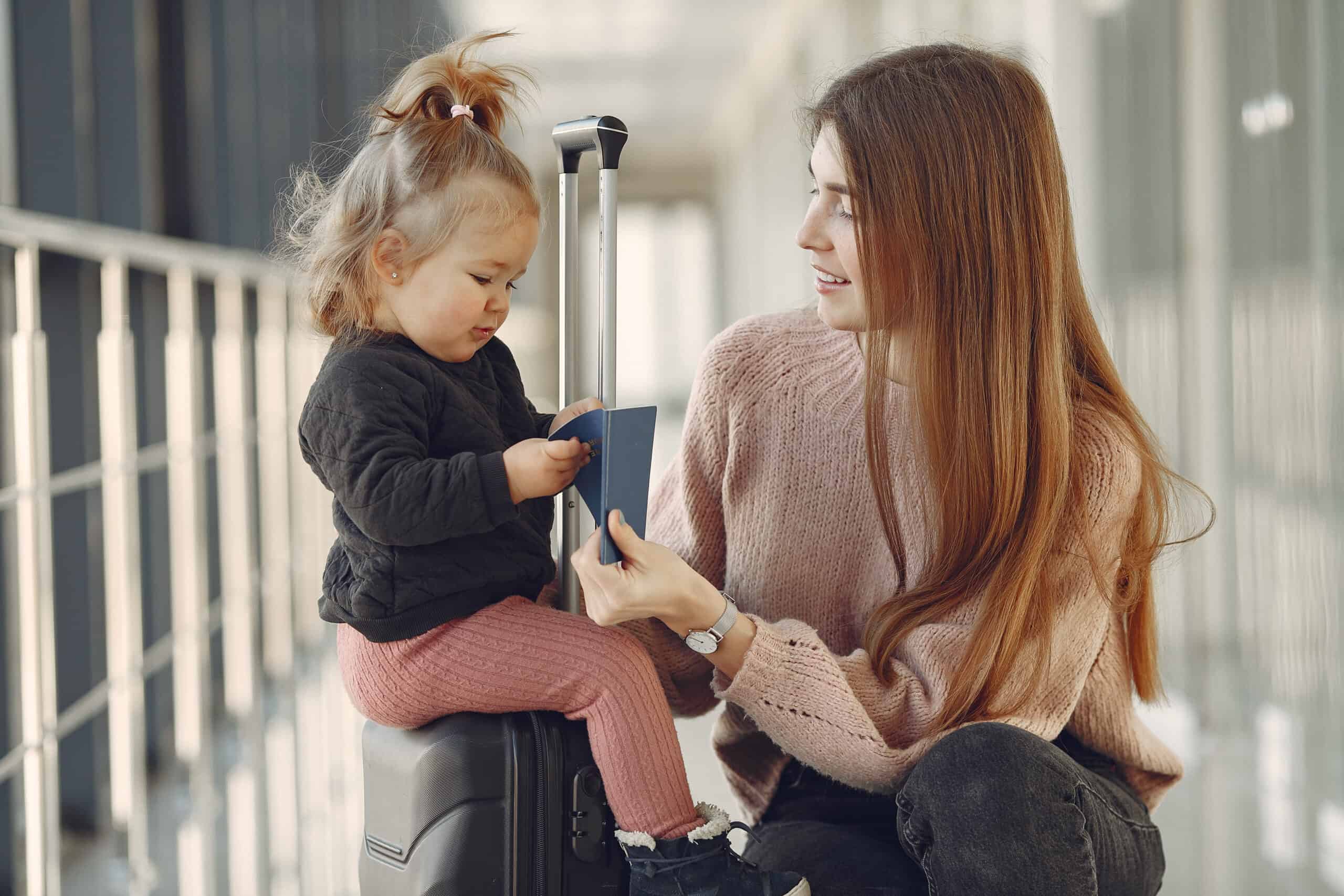
Before we leave for the airport, I’m thinking about parking. I actually book my parking ahead of time now because it saves money, and it’s one less thing to worry about on travel day. There are several options to choose from, but my go-to is On Air Parking. They specialize in airport parking, offer rates that are significantly lower than on-site options, and include shuttle service directly to your terminal. They also offer free cancellation, which is huge when you’re traveling with kids and plans can change. Booking ahead means one less thing to figure out on an already hectic travel day, and the savings on a week-long trip can be significant.
Also, before we get to the airport, I always check our terminal. I want to know what restaurant options we have, which helps me decide how many snacks to pack. If there’s a good meal option before we board, and we’re not flying over five hours, we don’t need to bring much onto the plane. I try to avoid buying snack foods at the airport because of the cost. We also bring our own water bottles and refill them at the airport stations to avoid buying bottled water.
Always pad your time and give yourself a longer buffer with kids. TSA with kids is a completely different experience from TSA as a solo traveler, especially if you don’t have PreCheck or CLEAR. You’ll need to collapse the stroller, take off shoes, pull out liquids and electronics, and corral small humans through the scanner. Arriving 30 minutes earlier than you think you need to is almost always worth it.
We have both TSA PreCheck and CLEAR, and I genuinely cannot recommend them enough. Children under 12 can go through the PreCheck lane with an enrolled parent. Shoes stay on, laptops stay in bags, and the whole experience is dramatically less chaotic. If you travel even twice a year with kids, it pays for itself.
Once you’re past security, don’t sprint to the gate. Find food first. Hungry and sometimes tired kids can make the start of a trip really hard — this was huge when my kids were little. Do a quick scan of your airport’s app or website before you travel so you know exactly where to head.
If you’re traveling with little ones, let them get their wiggles out. Most major airports have kids’ play areas and enough visual stimulation to keep them occupied. That pre-flight energy burn is genuinely valuable.
On the Plane: Comfort, Movement, and Managing the Hours
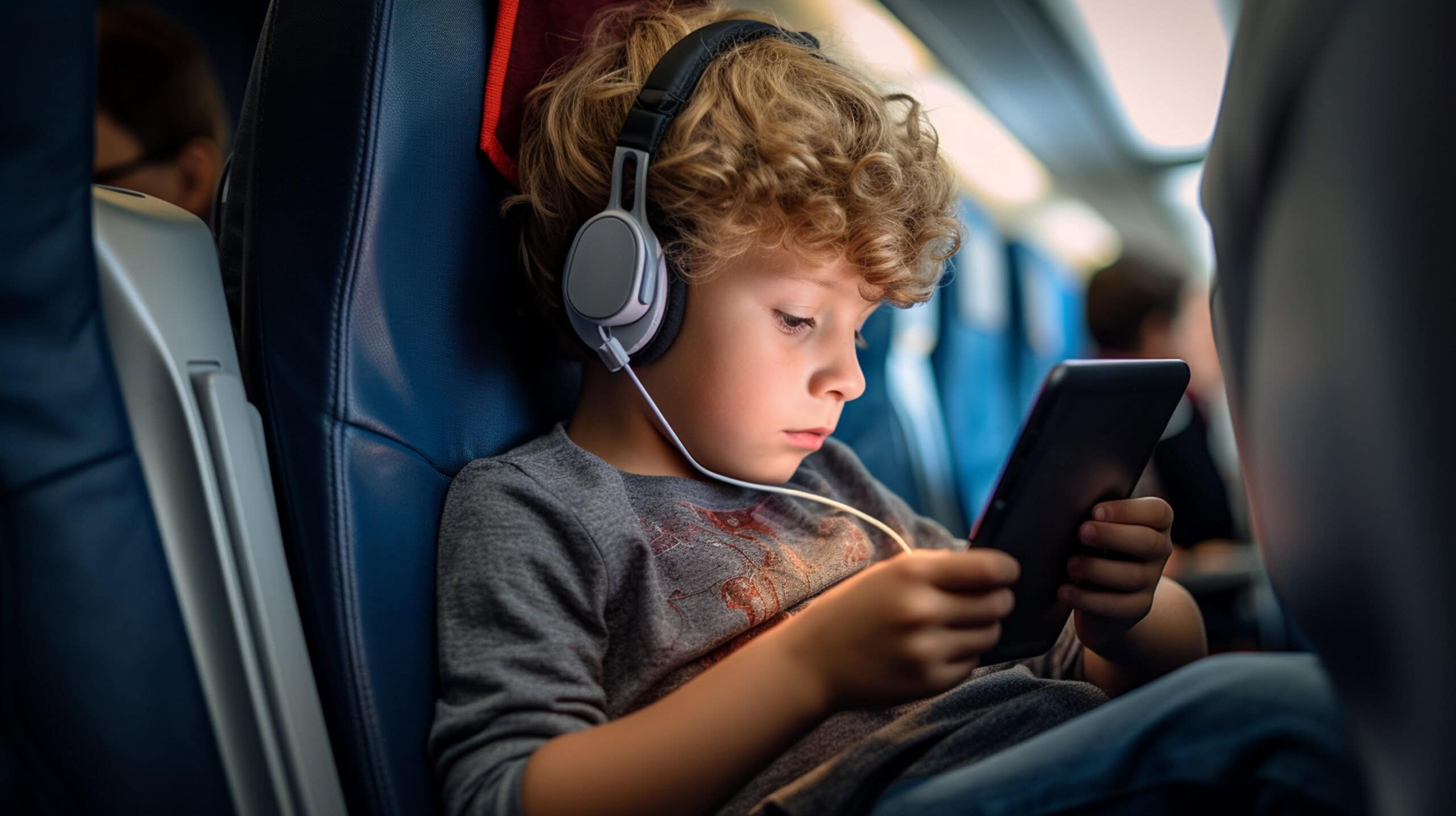
My kids both have phones and iPads, and I make sure everything is fully charged before we leave. They both have portable chargers and their own noise-canceling headphones, an important investment and one I’d make again without hesitation. No fighting over who gets the headphones, and they’re a lifesaver on long flights when they want to sleep. If you have a child who’s sensitive to sounds, this is a 100% worthwhile investment.
A few things that work at every age:
For infants and toddlers: Feed or offer a pacifier during takeoff and landing to help equalize ear pressure. If your child is old enough to chew gum or swallow on command, that works too.
For school-age kids: Download content before you leave — don’t count on streaming. Downloaded episodes and audiobooks are reliable; in-flight wifi is not. New small toys, activity books, or novelty items revealed mid-flight can buy you a significant stretch of quiet time.
I also encourage my kids to get up and walk the aisles on long flights. It resets everyone. Most kids on planes aren’t being unreasonable. They’re bored and stiff, and both of those things are fixable.
At the Destination: Rest, Routine, and Letting Go of Perfect
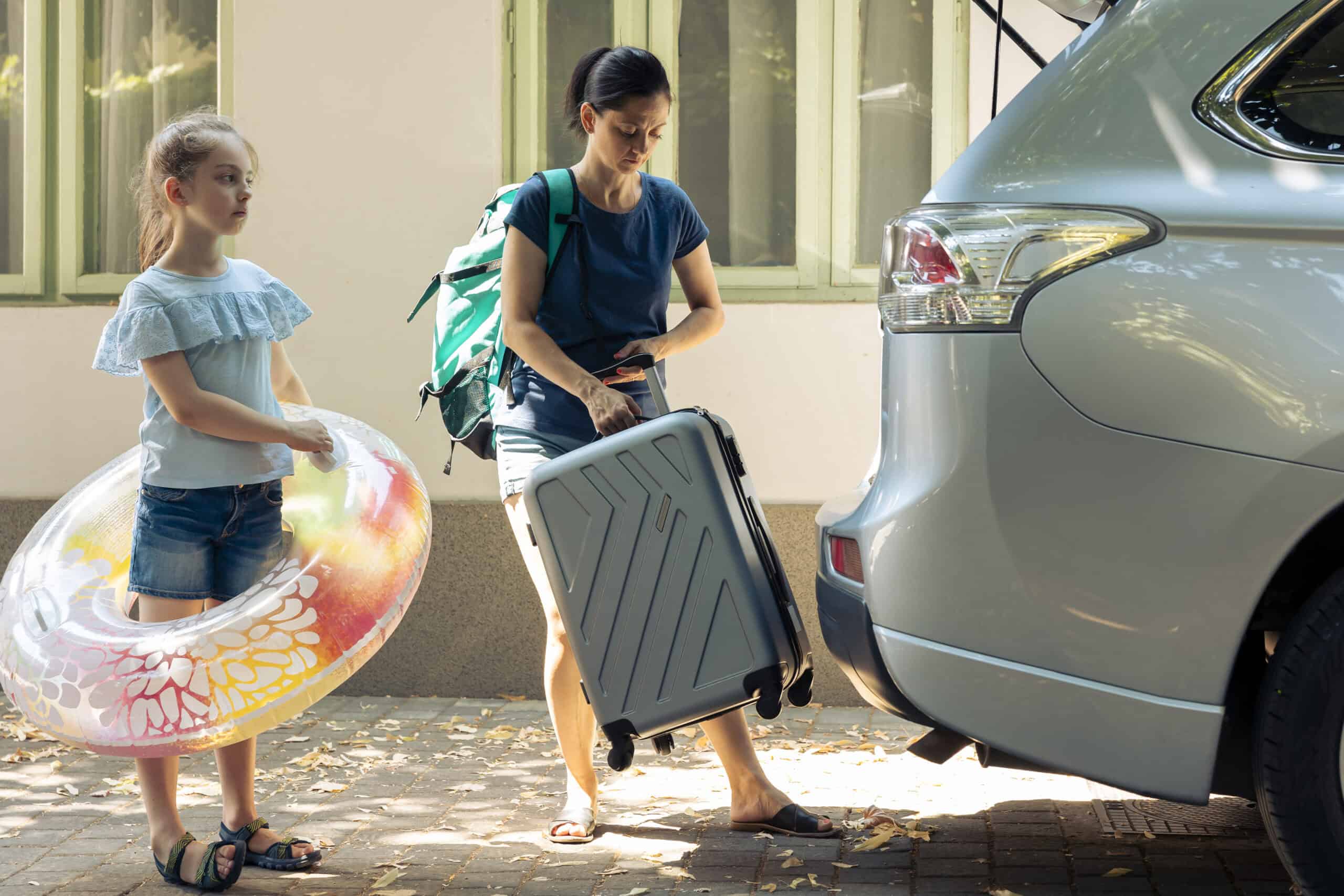
Once we arrive, I’m a big advocate for slow mornings and afternoon rest time. I don’t want to come back from vacation needing another vacation. Even if we’re going to an amusement park, I still like a break during the day — maybe an afternoon at the pool, a rest back at the hotel, and then a later night out. The temptation to fill every hour is real, especially when you’ve traveled far and spent a lot. Resist it. Exhausted kids have worse experiences at the best destinations than rested kids have at ordinary ones.
For younger kids, try to maintain some of your regular routine around sleep times and naps. You know your family best, lean into that.
I also get my kids involved in building the itinerary. When they’re invested in the activities and interested in where we’re going, it makes everything more fun for everyone. And honestly, my kids are far more adaptable when things don’t go as planned if they had a hand in picking some of the activities. Give them ownership, and they surprise you.
On travel days — the day you arrive and the day you leave — keep expectations minimal.
Those days are somewhat a wash, and that’s okay.
A Few More Things Worth Mentioning
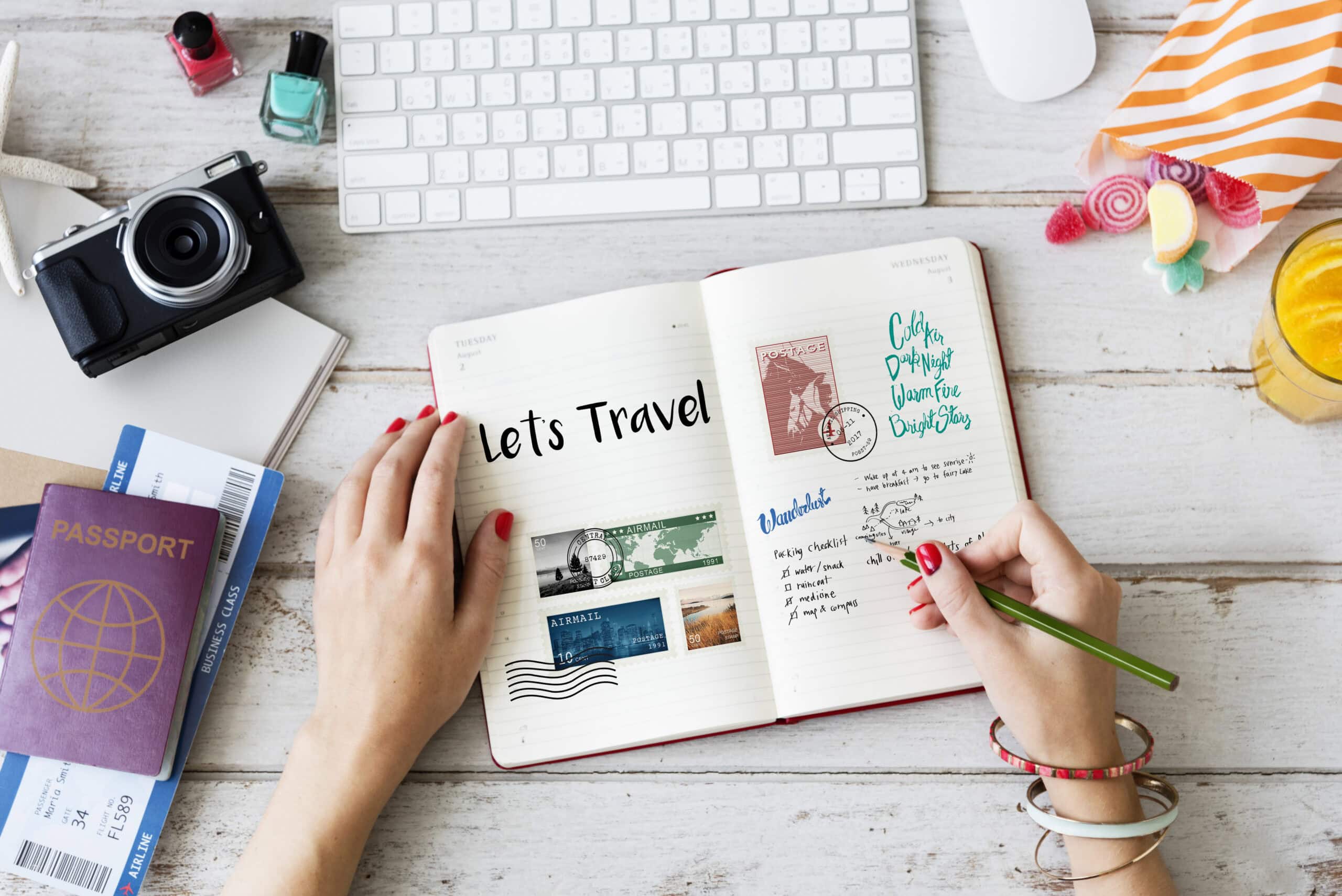
Travel insurance. When you’re traveling with kids, things happen. Kids get sick. Flights get canceled. Travel insurance can save you a significant amount of money if something goes sideways, and it’s worth building into your budget.
Jet lag is real. Plan for rest days when you return. When we went to Japan last year, it took us a few days to get our clocks back on track. Factor that in — it’s hard on everyone, and going straight back to a full schedule doesn’t help.
Journal the moments. Someone shared this with me, and it stuck. Whether it’s your family’s first trip to the beach or a first flight, write it down. You won’t want to forget these memories, and they go faster than you think.
Leave space for the unexpected. Plan everything related to travel and logistics, but don’t over-schedule the actual days of your trip. Some of the best moments from our travels happened when we weren’t following a plan at all.
Ready to Start Planning?
This is your family’s trip. It doesn’t have to be perfect, and it doesn’t have to keep up with anyone else’s version of travel. You know your family and what’s comfortable for everyone, embrace that!
Start with the logistics: book your flights and hotel, lock down your airport parking early with On Air Parking, build your packing list, and give yourself more time than you think you need at every stage. The rest is improvisation. And honestly, that’s the part your kids will remember most.

Kim Hamilton is a San Francisco Bay Area-based mom of two teens and an avid traveler who believes family trips do not have to be perfect to be worth it. At Upside Dad, she writes about traveling with kids in a way that feels practical, honest, and actually doable, from flexible planning and snack breaks to the little pivots that make a trip work for everyone. When she’s not writing, Kim is usually planning her next trip, whether that means booking a solo flight or dreaming up the next family adventure.